
Why you should choose Cyprus
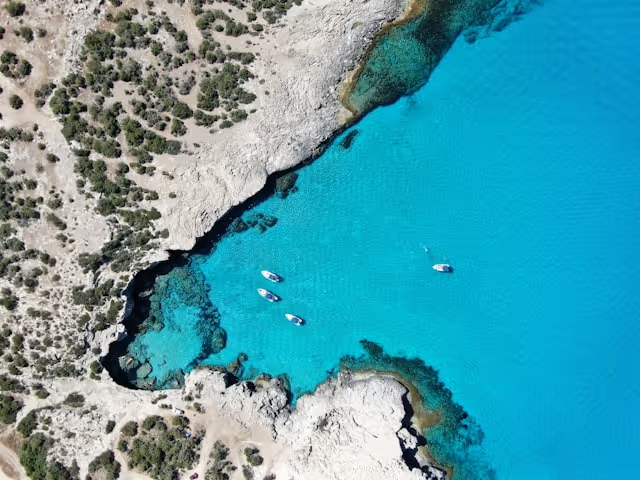

Cyprus offers one of the most attractive tax residency programs in the EU — low taxes, legal stability and fast setup for entrepreneurs and investors. With the 60-day rule and Non-Dom benefits, you keep more of what you earn without complexity.
Tax savings
Corporate rate
Dividend tax
Key benefits of relocating to Cyprus
A unique mix of lifestyle, stability and financial advantages places Cyprus among the most desirable relocation destinations in Europe.

Attractive tax advantages

Strategic global location
Reliable property market
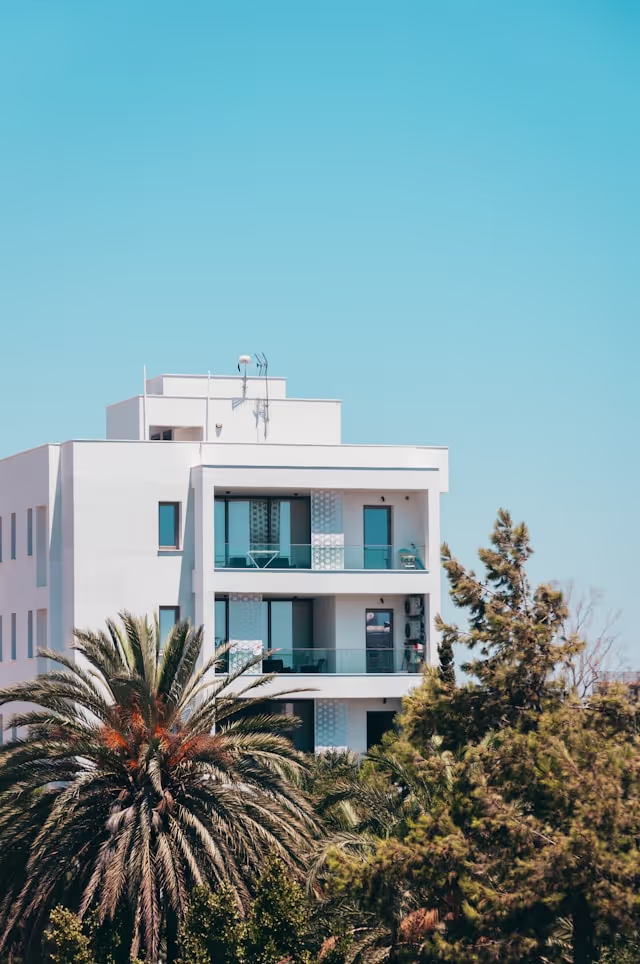
Year-round sunshine
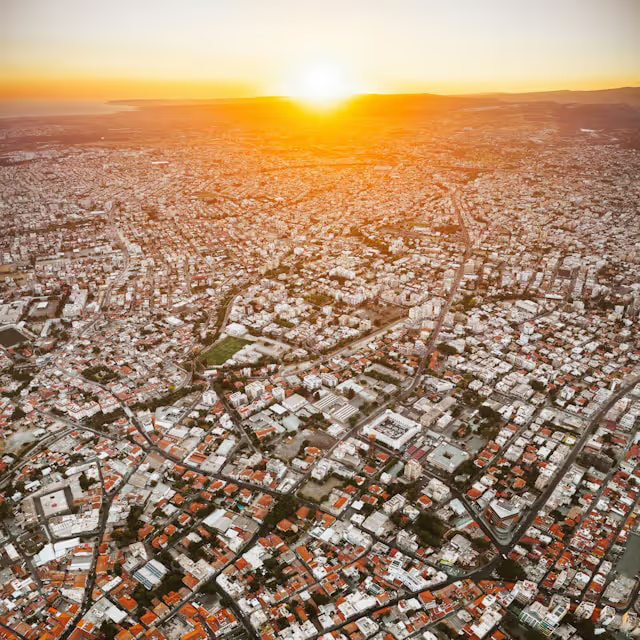
A closer look at Cyprus beyond the beaches
From lively coastal areas to calm historic districts, Cyprus offers a distinct lifestyle in each region. Discover the atmosphere that aligns with your goals.
Larnaca – a harbour town where ancient Kition meets modern cafés
Larnaca is a relaxed coastal city that blends authentic Cypriot charm with everything you need for everyday life. Compared to the busier urban centers on the island, it’s noticeably calmer — but still offers plenty of cafés, restaurants, and convenience. A major plus is the international airport right by the city, making it incredibly accessible (you’re in the center within 5–10 minutes of landing).
Larnaca has managed to retain its soul. You can enjoy your morning coffee on the palm-lined Finikoudes promenade and end the day in a cozy taverna with traditional Cypriot food. Living here is also more affordable — groceries and energy bills tend to be around 15% cheaper compared to Nicosia or Limassol. Still, there’s a vibrant international community (foreigners make up about 20% of the population), so it’s easy to communicate in English and make new friends from all over the world.
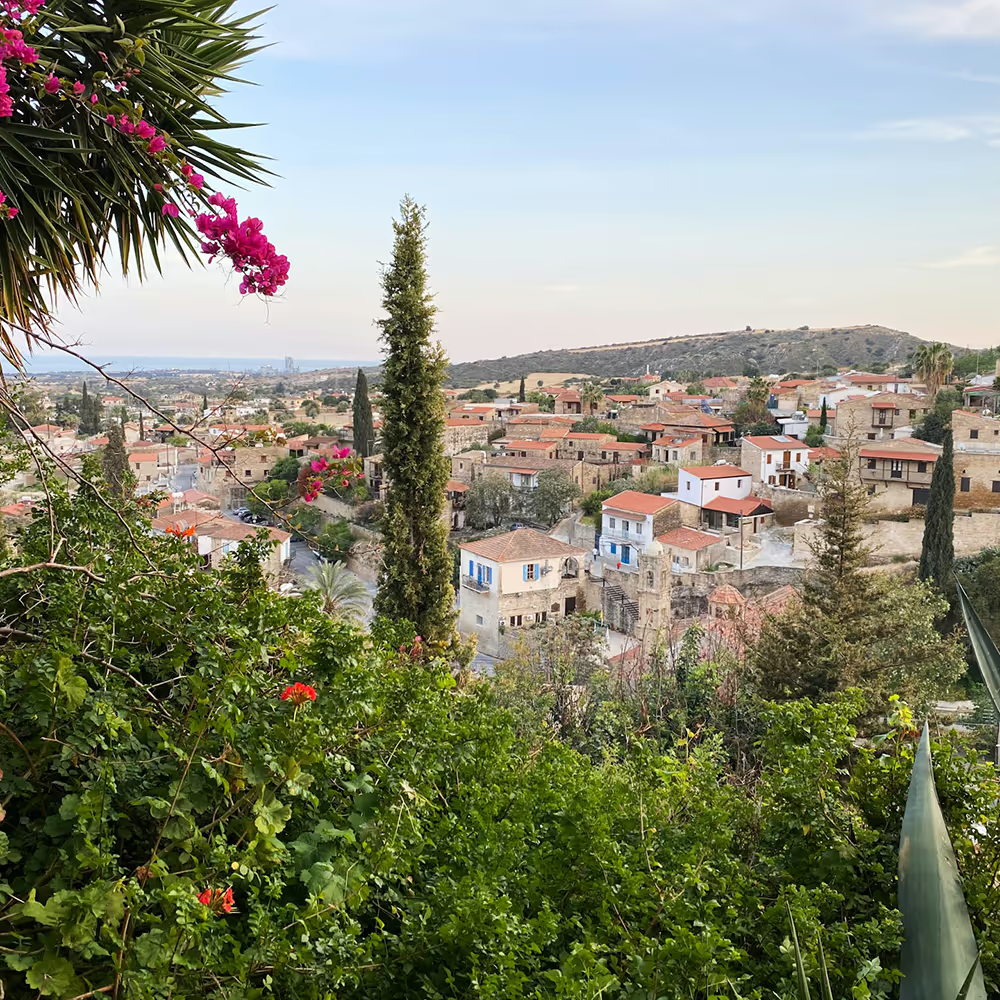
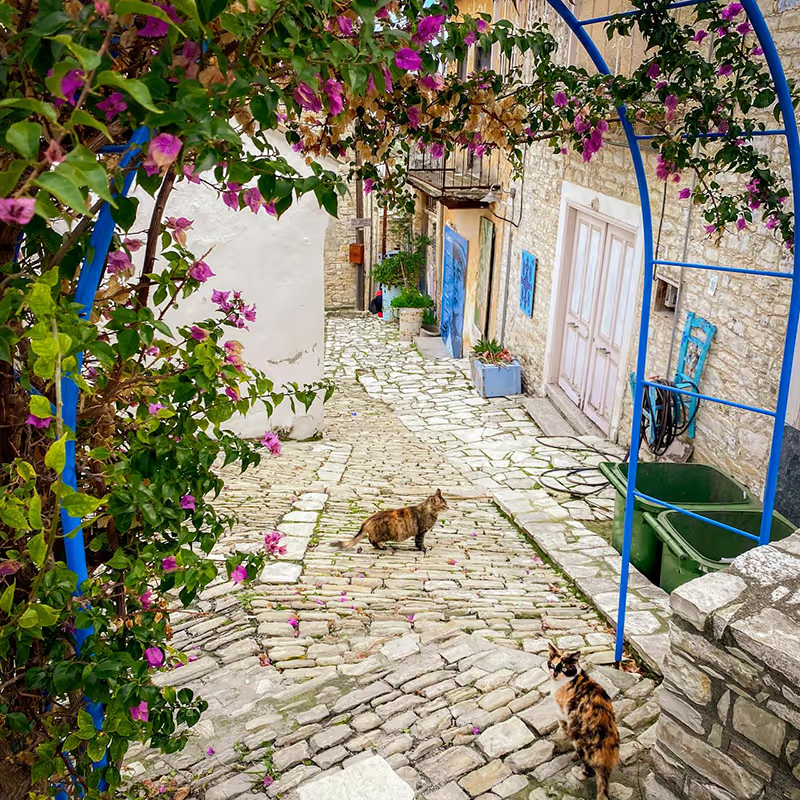
The city is known for its natural beauty and laid-back pace. In winter, the nearby salt lake turns pink with flocks of flamingos — a unique seasonal feature that adds to Larnaca’s charm. Local festivals throughout the year, such as Kataklysmos and the summer music & arts festival, bring the community together. Larnaca offers a great balance of seaside lifestyle and authentic local culture. It’s safe (as is all of Cyprus, one of the safest countries in the world), family-friendly, and well connected to the rest of the island — whether for weekend getaways or daily commutes.
Larnaca is ideal for those who want a slower-paced, seaside city with affordable living, authentic atmosphere, and easy access to nature.
Frequently asked questions about living in Larnaca
Practical answers about daily life, neighbourhoods, costs and the key government offices you’ll need for residency or tax registration in this part of Cyprus.
Definitely. Larnaca is quieter and more relaxed than other cities, with parks, beaches, and playgrounds. There are public schools and several private/English-language schools for expat families. Housing and daily costs are more manageable, which many families appreciate. Safety is excellent and the coastal setting offers a healthy, friendly environment for children.
Larnaca has a modern public hospital and several private clinics offering good-quality care — most doctors speak English. You’ll find everything you need: shops, supermarkets, gyms, cinemas, and international restaurants. The international community is well established, and there are plenty of expat groups and online communities for sharing tips and recommendations.
If you love the beach and being outdoors, you’ll love Larnaca. Swimming, diving, kiteboarding — the warm sea and less crowded beaches are perfect for water sports. The salt lake is great for walking or biking. You can visit sites like the Church of Saint Lazarus or the medieval castle. Evenings are relaxed — enjoy dinner at a taverna or grab a drink by the sea. For a more intense nightlife scene, Limassol is just a short drive away.
Larnaca’s economy revolves around tourism, services, and transportation. Thanks to its international airport, several aviation-related businesses operate here. There’s also a growing number of small international firms and startups. Digital nomads can find coworking spaces like ChillHub or HI-Lab. For more corporate or finance roles, Nicosia and Limassol offer broader options — but commuting from Larnaca is very doable.
Larnaca is more authentic and peaceful. Unlike cosmopolitan Limassol with its skyscrapers and high prices, Larnaca feels more traditionally Mediterranean and affordable. Compared to Paphos, which leans heavily on tourism and historic sites, Larnaca is a real working city with a steady year-round rhythm. Plus, it’s strategically located — just an hour’s drive from other major cities, with the main airport right next door.
Paphos – historic coastal oasis with a slower pace of life
Famous for its picturesque harbour, Venetian fortress, and marina—is a charming coastal city with deep historical roots. Located on the western coast, it’s known for world-renowned archaeological sites like the Paphos mosaics and the Tombs of the Kings. At the same time, it provides all the modern amenities needed for comfortable daily life. Foreigners make up about 20% of the city’s population (and nearly 38% of the wider district), creating a very active international community where English is spoken everywhere.
Paphos has its own international airport, just five minutes from the centre, making travel convenient. Compared to busy Limassol, Paphos is smaller, quieter, and ideal for those seeking a slower, more scenic lifestyle by the sea. Stunning beaches and nature—especially around the Akamas Peninsula and Peyia region—make it one of the most pleasant places to live in Cyprus.
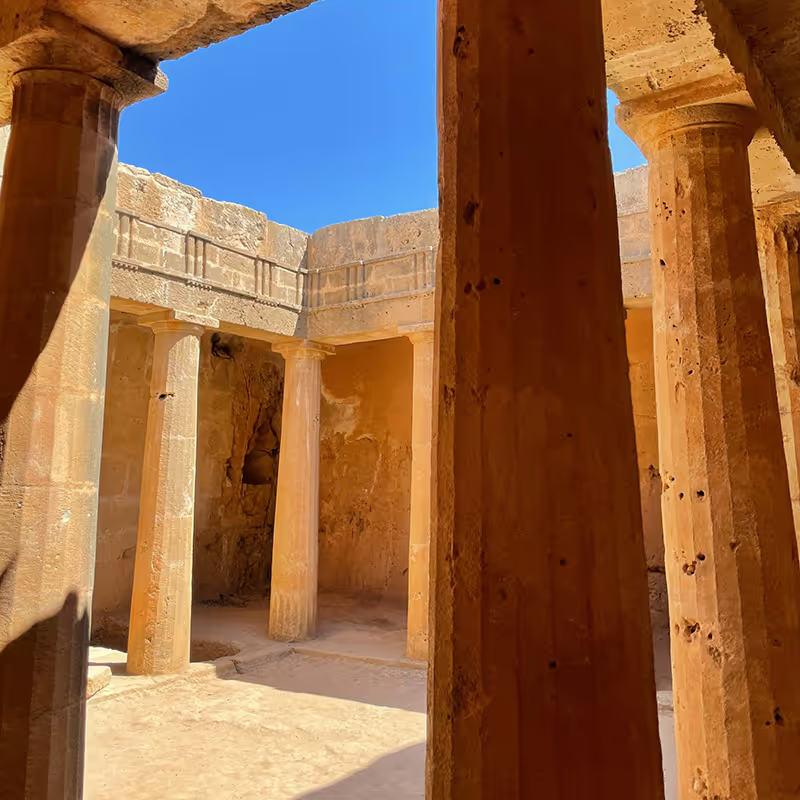
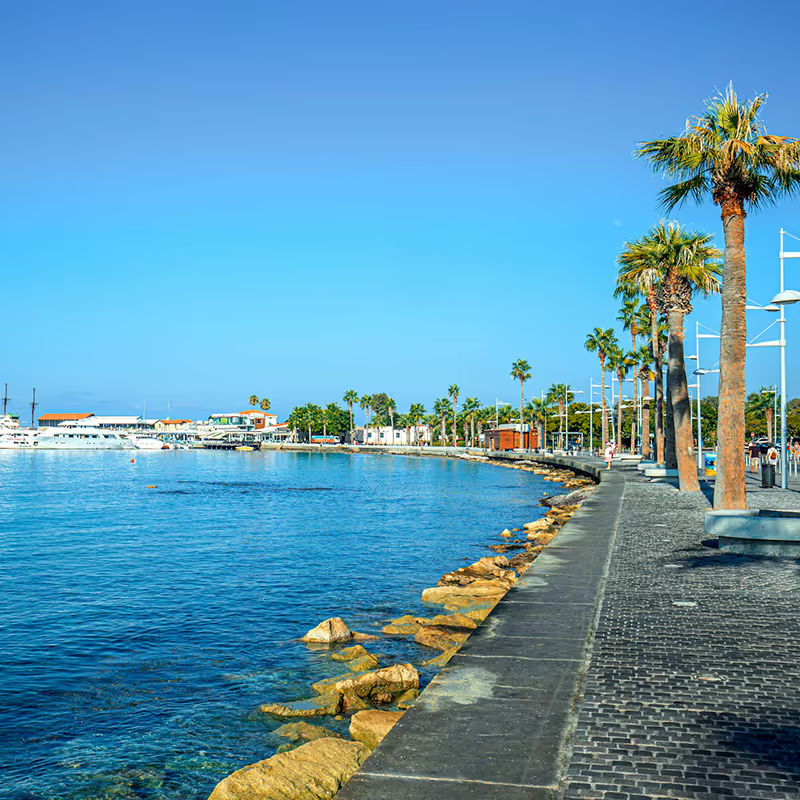
The area is also popular among families and people looking for a higher quality of life. Several residential developments have grown around Paphos, including Aphrodite Hills with its golf resort and luxury villas in Coral Bay, offering peaceful living just a short drive from the city. Paphos is also home to some of the best international schools in Cyprus, such as The Heritage and The International School of Paphos. Healthcare is covered by a modern hospital and private clinics.
Social life is relaxed but refined: Paphos offers local wineries, wine tastings, high-quality restaurants, and cultural festivals. Safety and community spirit make it easy to feel at home quickly.
Frequently asked questions about living in Paphos
Practical answers about daily life, neighbourhoods, costs and the key government offices you’ll need for residency or tax registration in this part of Cyprus.
Paphos has two sides—tourist attractions and archaeological sites bring visitors, but the city also has a stable local community and infrastructure for year-round living. Outside the summer peak, Paphos becomes calm, which many residents enjoy. All essential services stay open, so even winter months feel comfortable and livable.
Yes. Paphos has a modern general hospital and private clinics for everyday medical needs. For education, Paphos is considered one of Cyprus’s best cities—its international schools are highly rated and follow English curricula.
Paphos is a paradise for history and nature enthusiasts. Explore ancient sites, walk the coastal promenade, swim at Coral Bay, or hike the hills and trails of the Akamas Peninsula. Sports lovers appreciate the golf resorts and cycling routes. Evenings are spent in wine bars or tavernas—nightlife is calm but pleasant.
Tourism, hospitality, real estate, and services dominate the local job market. Many expats work remotely for foreign companies thanks to the pleasant environment. Corporate roles are somewhat limited compared to Nicosia or Limassol, but opportunities exist in hotels, resorts, real estate agencies, and at the airport. Creative and online professionals often choose Paphos for its peaceful atmosphere.
Paphos is perfect for those who want a relaxed life near the sea, surrounded by nature, culture, and family-friendly amenities. Housing is more affordable than in Limassol, and the lifestyle is slower and more peaceful. If you prioritise career growth in international companies, Limassol or Nicosia may suit you better. For comfort, nature, and community, Paphos is an excellent choice.
Limassol – modern city full of life and opportunity
Limassol’s landmark promenade, Molos—with its parks, sculptures, and views of the skyline—perfectly captures the city’s style: a blend of Mediterranean comfort and modern luxury. Limassol is the largest and most cosmopolitan coastal city in Cyprus. If you want a dynamic atmosphere, an international business environment, and vibrant social life, Limassol delivers.
Around 20% of residents are foreigners, and many global companies have offices here, including major consultancies, tech firms, and maritime businesses. Limassol is widely considered the financial and commercial centre of Cyprus. The lifestyle is decidedly modern: high-rise apartments, designer boutiques, top-tier restaurants, and energetic nightlife along the coast. The marina is filled with yachts, and the waterfront is a favourite place for cycling, running, and socialising.
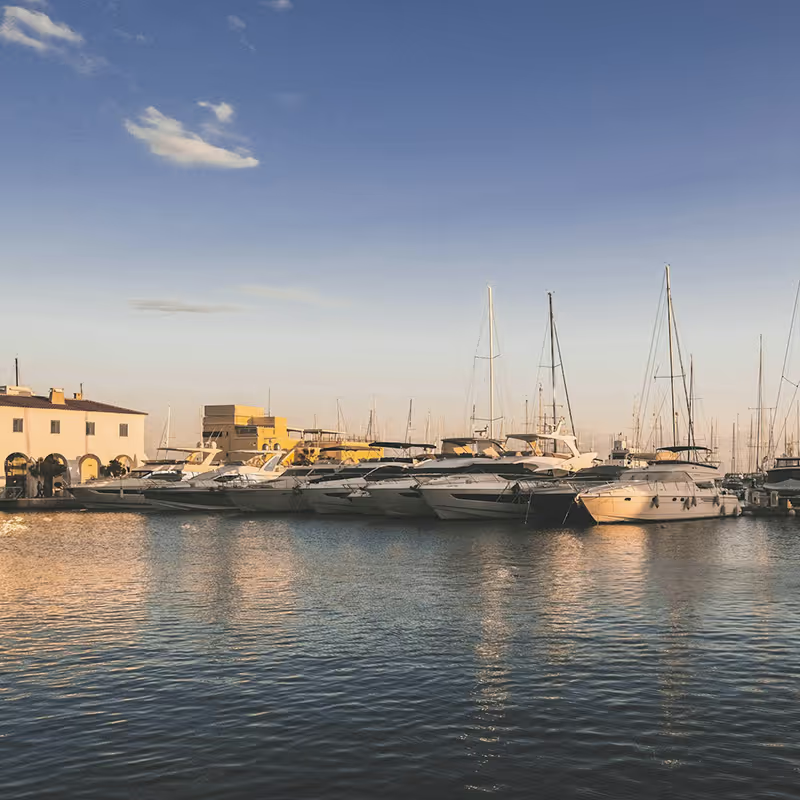
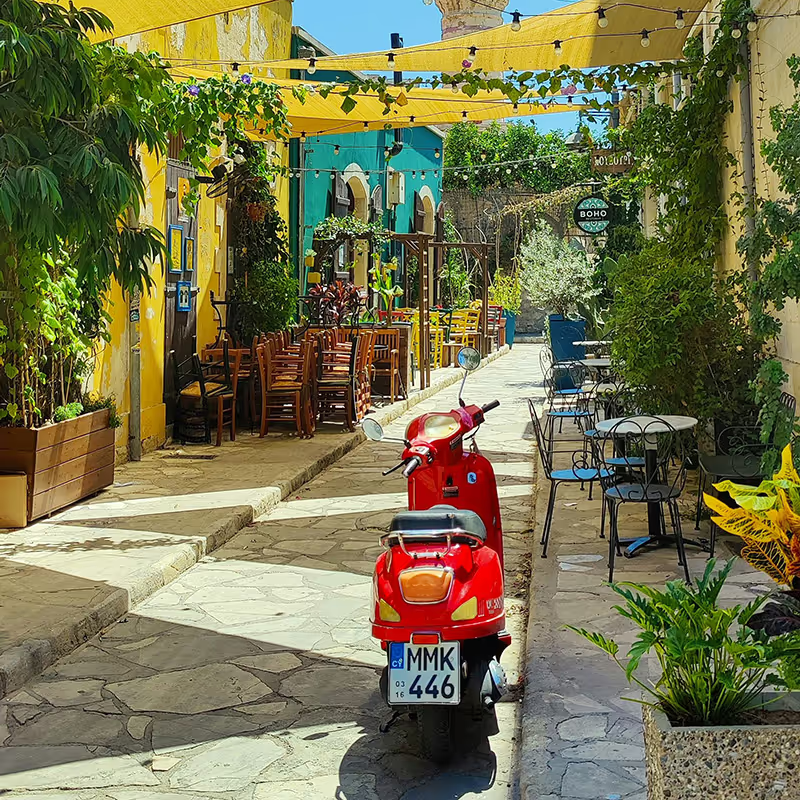
Limassol feels like a lively Mediterranean metropolis where something is always happening. However, this comes with higher prices. Housing in Limassol is the most expensive in Cyprus due to high demand and luxury developments. But in exchange, residents enjoy excellent infrastructure—premium healthcare, international schools such as Foley’s and Heritage, and every category of service you might need. Safety and multiculturalism are strong, making it easy to settle in.
Limassol also excels in culture and events: the annual Carnival, Wine Festival, film festivals, galleries, and theatres offer constant entertainment. Nature is close by too—within 30 minutes you can reach the Troodos Mountains, where winter skiing is possible.
Frequently asked questions about living in Limassol
Practical answers about daily life, neighbourhoods, costs and the key government offices you’ll need for residency or tax registration in this part of Cyprus.
Because it combines career opportunities with an exceptional lifestyle. International companies provide jobs in finance, IT, shipping, and marketing. The city’s cosmopolitan atmosphere, seaside living, restaurants, and cultural scene make it highly attractive for professionals who want both career and leisure.
Limassol has the highest real estate prices in Cyprus. Strong demand has pushed costs up significantly. Rent for a modern studio often starts around €800–1000, while larger apartments can be €1500+ (luxury towers cost several times more). Despite the prices, residents gain a high standard of living and excellent amenities.
Popular areas include Germasogeia and Agios Tychon on the eastern side—close to the sea, full of cafés, shops, and new buildings. Mesa Geitonia and Potamos Germasogeias are also very convenient. For luxury villas, many choose the hills above the city (e.g., Agios Athanasios). The city centre is vibrant but more expensive. Since public transport is limited, location relative to work and school is key.
Yes. Limassol has several international schools, many activities for children, coastal parks, playgrounds, and sports academies. Families enjoy the Molos promenade, zoological garden, safe neighbourhoods, and child-friendly beaches. Healthcare and services are high-quality.
Anything you want—restaurants, wine bars, clubs, cultural festivals, marinas, fitness studios, and seaside activities. Shopping is available at MyMall or along the promenade. In winter, you can go skiing in Troodos. It’s a city where you can live an active, modern lifestyle without losing the Mediterranean vibe.
Nicosia – cultural and business heart of Cyprus without the sea
Surrounded by Venetian walls and filled with a blend of history and modern life, is the inland capital of Cyprus. While it has no coastline, it offers something different: a vibrant city full of culture, business opportunities, and authentic local energy. Because it receives fewer tourists than the coastal towns, Nicosia feels more real, calm, and lived-in. Its old town is full of narrow streets, cafés, and traditional markets, while the business districts host government institutions, embassies, and major companies.
Nicosia is the administrative and economic heart of Cyprus, offering the widest job market—especially in finance, IT, consulting, education, and public administration. It also hosts Cyprus’s top universities, making it ideal for families with older children.
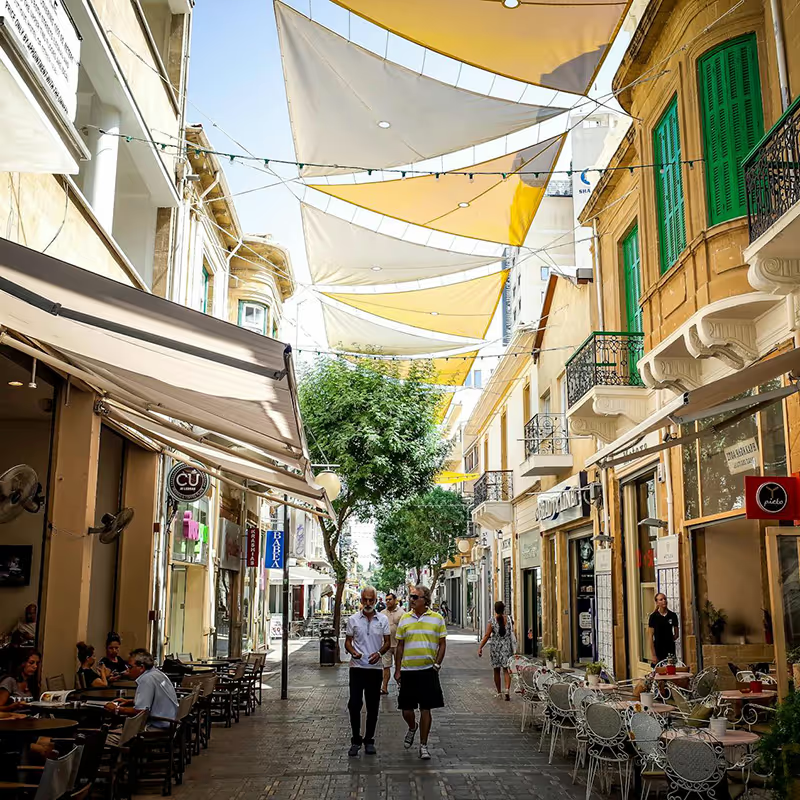
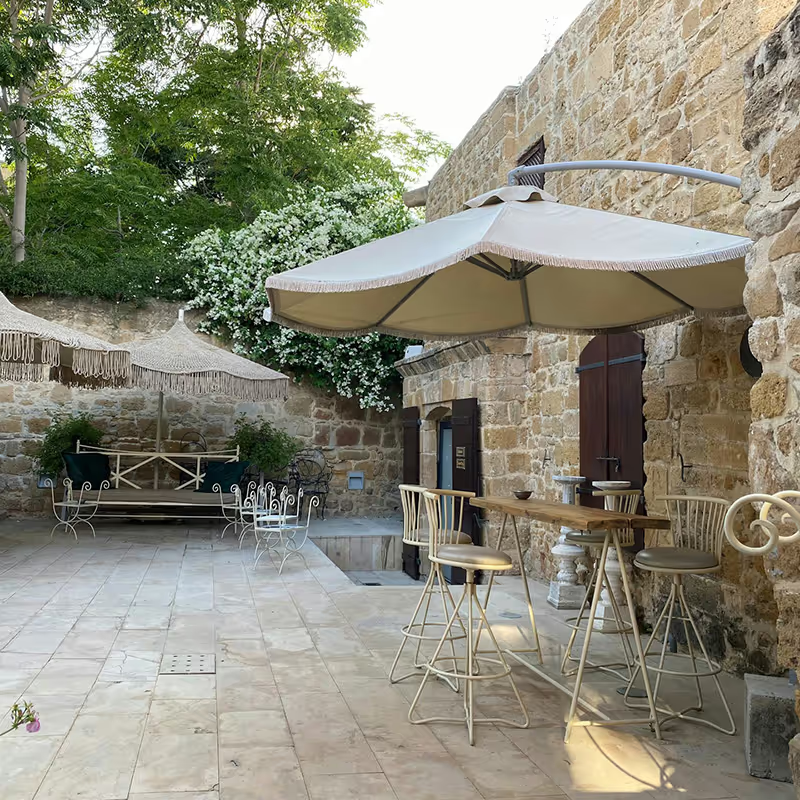
Foreigners make up roughly one-fifth of the population, and English is commonly spoken. The city offers a high standard of living: modern shopping malls, hospitals, wide boulevards, and a lively cultural scene with museums, galleries, and excellent restaurants—from traditional meze spots to contemporary fusion dining. Safety is extremely high, even at night.
Transport relies mostly on cars, as public transit is limited. However, Nicosia’s central location means you can reach the mountains within 30 minutes, and the beaches of Larnaca or Limassol within about an hour.
Nicosia is perfect for those who prioritise career options, cultural life, and a stable year-round atmosphere over immediate beach access.
Frequently asked questions about living in Nicosia
Practical answers about daily life, neighbourhoods, costs and the key government offices you’ll need for residency or tax registration in this part of Cyprus.
For some, yes—summers are hotter and you can’t swim after work. But many residents simply drive to the coast on weekends (Larnaca is 40 minutes away). In exchange, you get all the benefits of a capital city—careers, entertainment, education, and stability. It depends on your priorities.
Nicosia has the strongest job market in Cyprus. It hosts most government offices, corporate headquarters, financial institutions, universities, and international companies. It’s the best place for careers in business, finance, IT, consulting, accounting, and education. English is common in offices, although some public-sector roles require Greek.
Yes. Nicosia has several top-rated international schools, such as The English School, Falcon School, and the American International School. They teach in English using international curricula. For older students, Cyprus's leading universities are also located here, providing excellent higher-education options.
Nicosia has a more urban, consistent rhythm. It doesn’t rely on tourism, so life remains steady all year. Summers are warmer; winters a bit cooler. The city is also divided into a southern (Cypriot) and northern (Turkish-administered) part, separated by the Green Line—crossing on foot is common for shopping or sightseeing. Coastal towns feel more relaxed and resort-like; Nicosia feels like a compact European capital.
Plenty—explore historical sites, visit museums and galleries, enjoy the café culture, dine in excellent restaurants, or shop in modern malls. Parks provide space for running and walks. And since nature is close, weekend trips to the Troodos Mountains or the coast are easy.
Start your journey toward lower taxes today
Get clear, expert guidance on your tax residency, company structure and next steps.